Graduate
The Program:
The Academic Master's and Doctoral Program in Health Sciences was established in 2013 and is part of Hospital Sírio-Libanês's training pathway for new researchers. It is recognized by CAPES (Coordination for the Improvement of Higher Education Personnel) in the Medicine I area, achieving a Grade 5 in the 2017-2020 evaluation. The program is free and designed for students with a complete higher education degree who wish to pursue an academic career.
The program aims to train qualified researchers to produce and disseminate knowledge in health sciences and promote improvements in medical care in general. We conduct research in 3 main areas of concentration: applied research in surgery and regenerative medicine, applied research in intensive care and rehabilitation, and applied research in oncology. The Master's program lasts 24 months and involves developing a research project and completing required and elective courses, totaling a minimum of 20 credits (1 credit equals 12 class hours). The Doctoral program lasts 60 months and involves developing a research project and completing required and elective courses, totaling a minimum of 24 credits (1 credit equals 12 class hours).
Since its inception, the program has graduated over 100 masters and 50 doctors, many of whom subsequently joined our Academic Doctorate program (for masters) or Postdoctoral program (for doctors). The program's strengths include its interdisciplinarity, the availability of a complete infrastructure, exposure to a healthcare environment, and the opportunity to interact with highly qualified professionals.
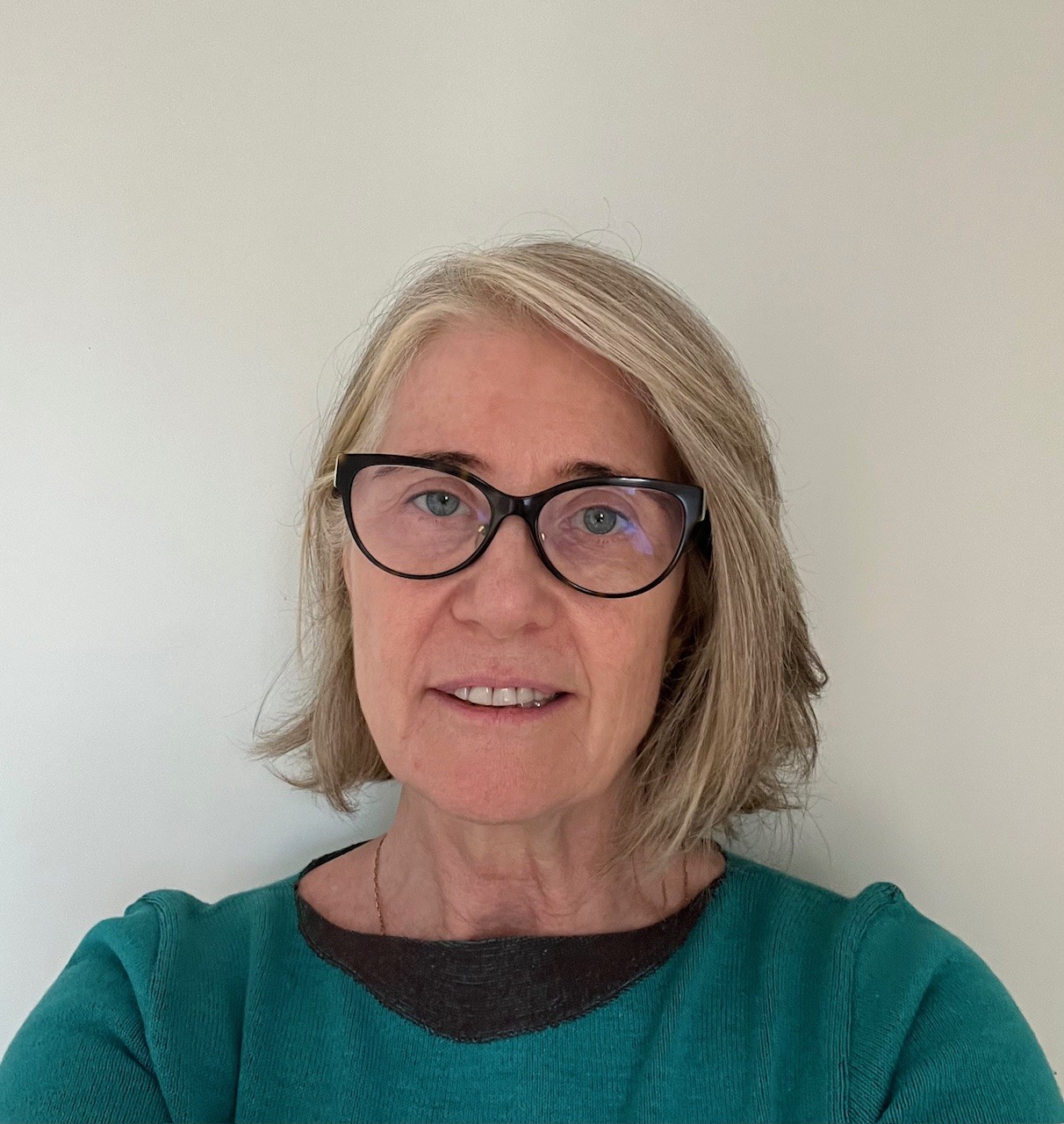
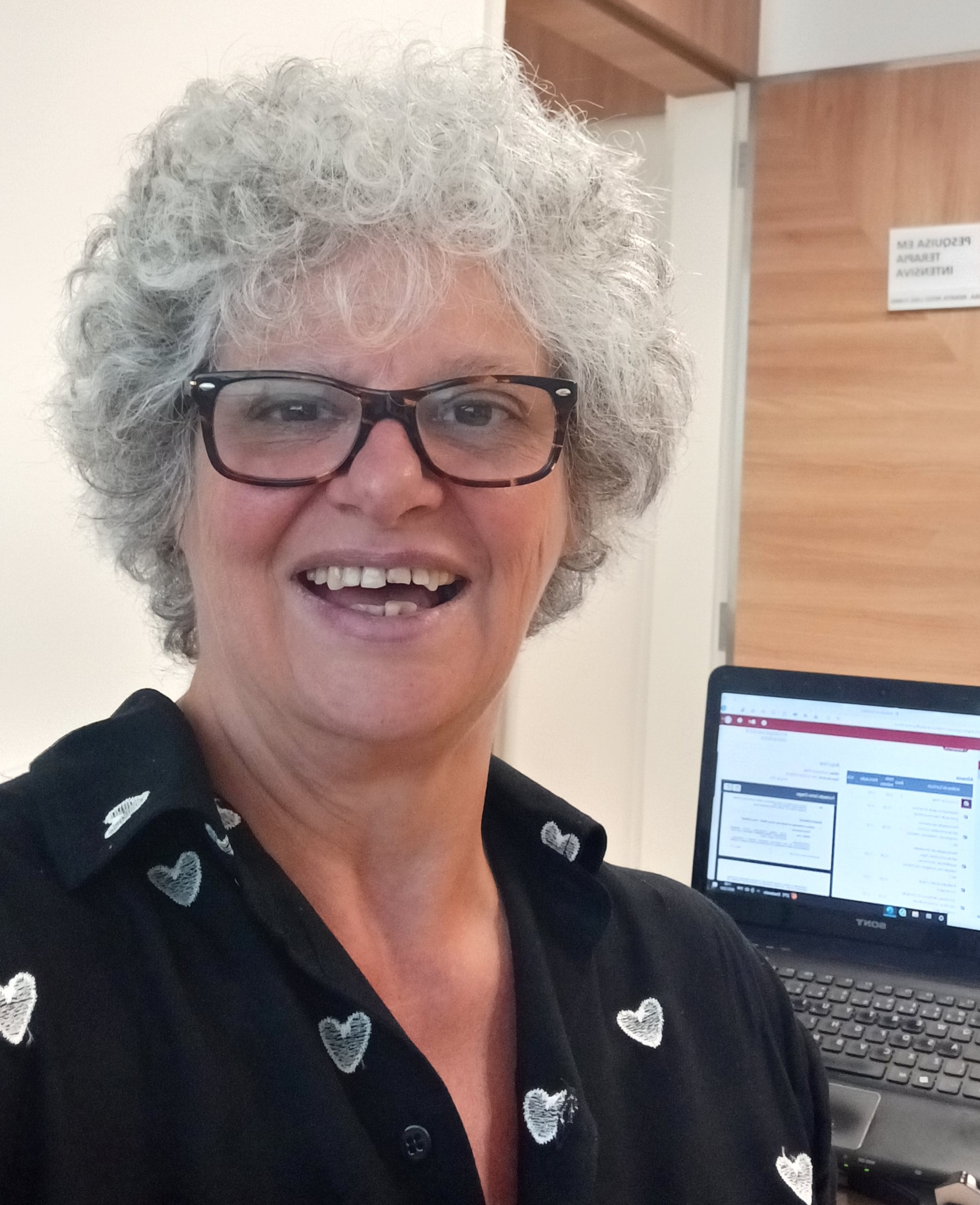
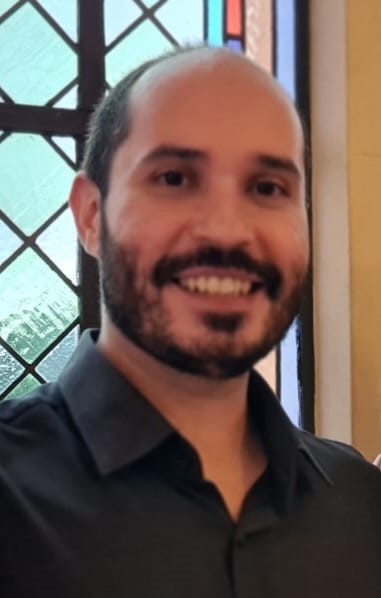
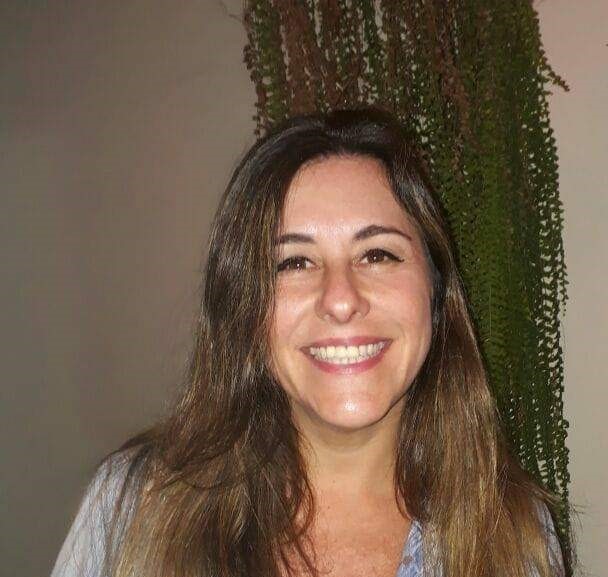
The Academic Master's and Doctoral Program in Health Sciences is coordinated by the Graduate Studies Committee (CPG). Its responsibilities are defined in the Bylaws of the Sírio-Libanês Hospital's Stricto Sensu Graduate Program in Health Sciences. The current composition of the CPG is:
Anamaria Aranha Camargo (Coordinator)
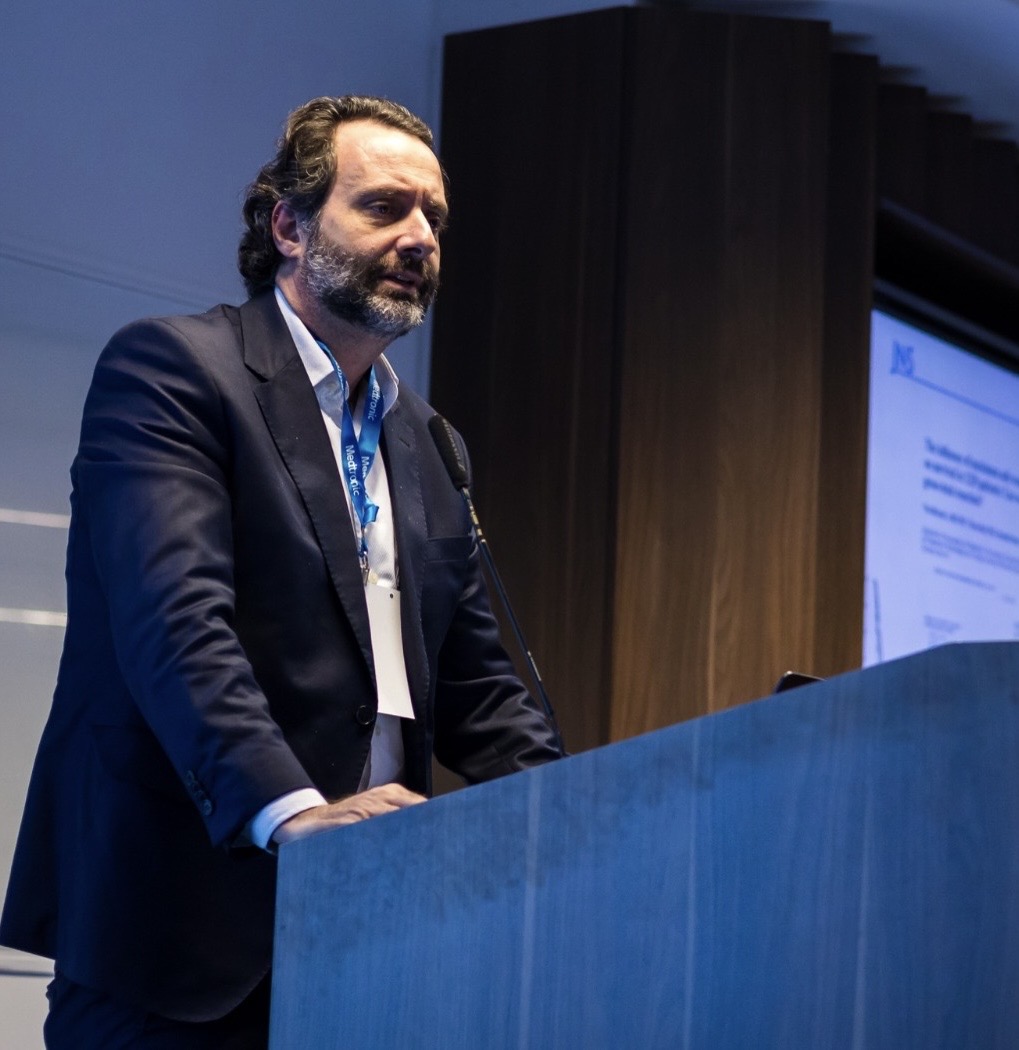
Pedro Alexandre Favoretto Galante (Vice-Coordinator)
Renata Rego Lins Fumis (Faculty Member)
Wellington Pereira dos Santos Yamaguti (Faculty Member)
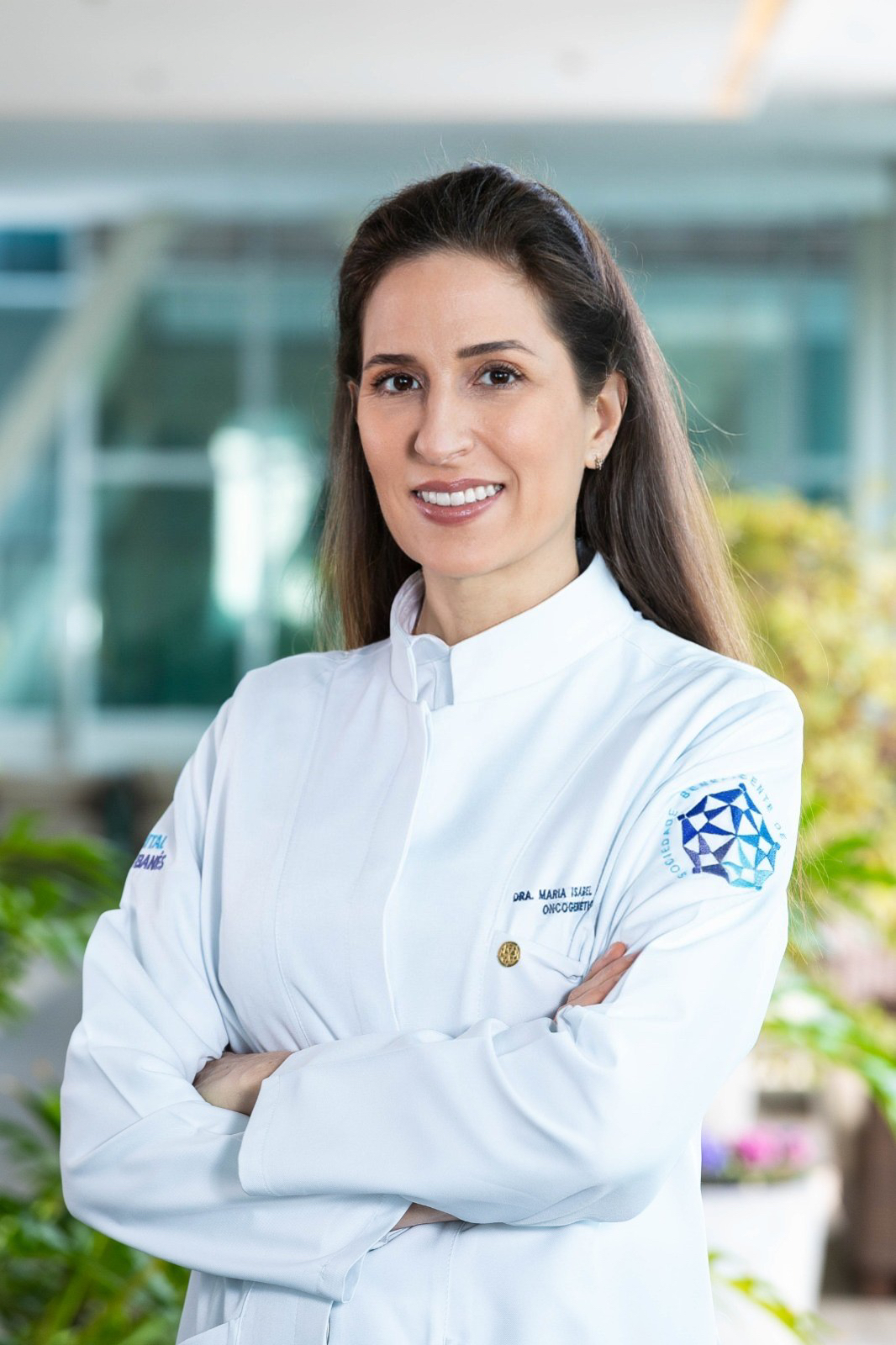
Renata Lazari Sandoval (Faculty Member)
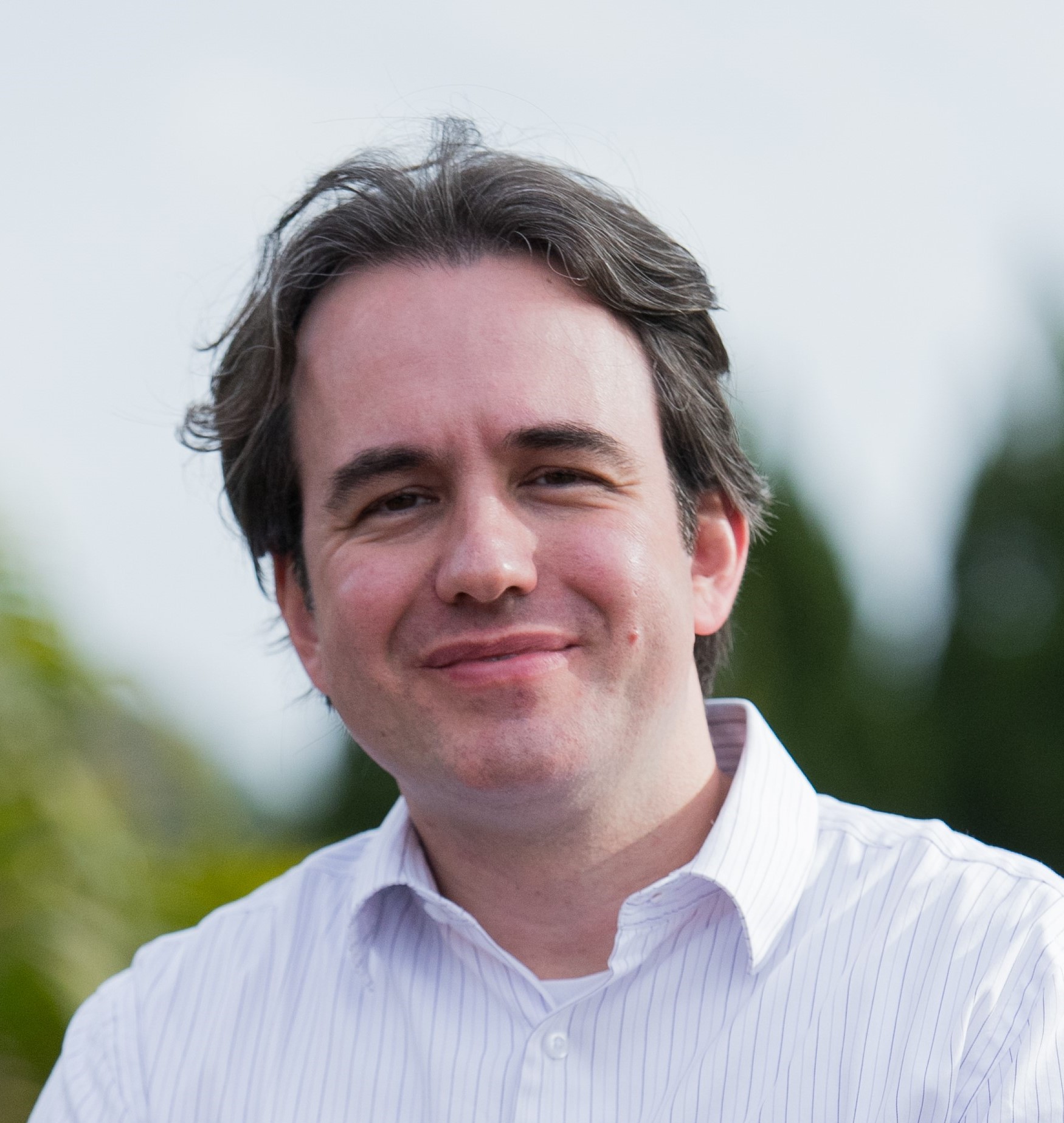
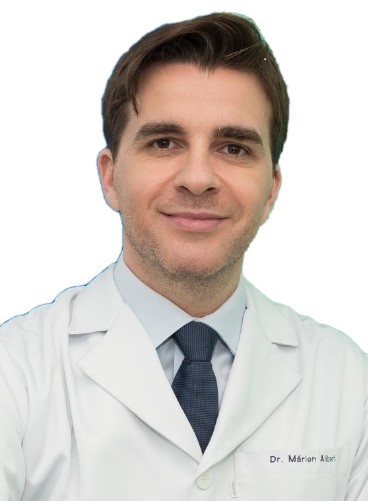
Márlon Juliano Romero Aliberti (Faculty Member)
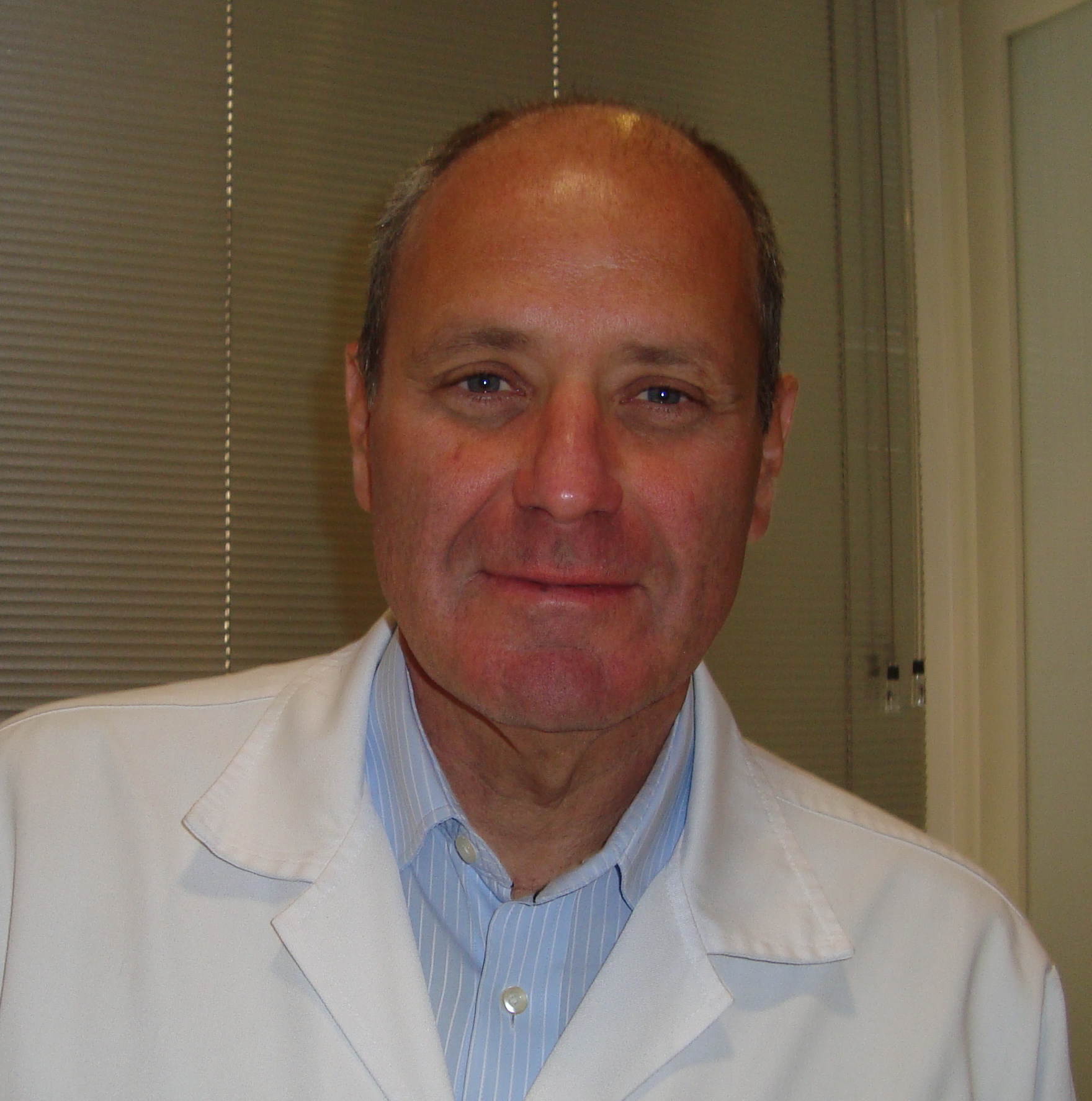
Marco Antonio Arap (Faculty Member)
Bianca Castro dos Santos (Student Representative – primary)
Ezequias dos Santos Tomes (Student Representative – alternate)
Admission Process:
To be admitted into the program, candidates should identify their area of concentration, find a faculty member working in that field, and confirm their availability to supervise the development of a research project. New students are admitted after being approved in a selective process conducted semi-annually, in January and July, by their prospective advisor and validated by the Coordination of the Sírio-Libanês Hospital's Stricto Sensu Graduate Program. The calendar for the selective process will be announced via a public notice published on this website. This notice will specify the number of available slots, the application, selection, and results disclosure deadlines, as well as the requirements and necessary documentation for candidate registration.
Scholarships:
The Academic Doctoral program can be pursued voluntarily, without receiving a research scholarship. However, various scholarship options are available from different sources. Currently, the institution has 10 Doctoral scholarships granted by CAPES through the PROSUP program. Calls for scholarship applications are opened at the beginning of each academic semester, depending on the number of available scholarships. Additionally, the São Paulo Research Foundation (FAPESP) reviews Doctoral scholarship applications on a continuous basis. Students and their advisors can submit scholarship requests directly through FAPESP's SAGE system.
Under Construction Thank you for visiting the Sírio-Libanês Hospital's Institute for Education and Research webpage. The team responsible for this section will soon provide an explanatory text and additional links.
Course Catalog:
BIOSTATISTICS
Required course for students enrolled in the Sírio-Libanês Hospital's Stricto Sensu Graduate Program.
Taught Annually
Instructor in Charge: Dra Márcia Milena Pivatto Serra
Credits:5 credits
Objective: To enable students to understand and perform the main statistical analysis tests for key studies in basic, translational, and clinical research.
EPIDEMIOLOGICAL STUDY DESIGN
Required course for students enrolled in the Sírio-Libanês Hospital's Stricto Sensu Graduate Program.
Taught Annually
Instructor in Charge: Dr Márlon Juliano Romero Aliberti
Credits: 4 credits
Objective: To enable students to prepare and interpret epidemiological studies, covering the fundamental concepts of epidemiology, with a focus on objectives, methods, different study designs, and their applications.
RESEARCH ETHICS
Required course for students enrolled in the Sírio-Libanês Hospital's Stricto Sensu Graduate Program.
Taught Annually
Instructor in Charge: Dra Fabiana Bettoni
Credits: 2 credits
Objective: The course aims to lead students to reflect on the ethical implications in conducting research projects and the impact of research actions on participants.
SCIENTIFIC METHODOLOGY AND BIBLIOGRAPHIC RESEARCH
Required course for students enrolled in the Sírio-Libanês Hospital's Stricto Sensu Graduate Program.
Taught Annually
Instructor in Charge: Dr Márlon Juliano Romero Aliberti
Credits: 4 credits
Objective: This course aims to train students to formulate a scientific question, design and write a research project, and critically read scientific texts. It also provides an introduction to preparing scientific documents for disseminating results, such as abstracts, scientific papers, dissertations, and theses.
GRADUATE STUDIES, RESEARCH, AND HEALTH SYSTEMS IN BRAZIL
Required course for students enrolled in the Sírio-Libanês Hospital's Stricto Sensu Graduate Program.
Taught Annually
Instructor in Charge: Dra Anamaria Aranha Camargo
Credits:1 credit
Objective: This course aims to present and discuss with students the challenges and opportunities for health research in Brazil, covering postgraduate studies, healthcare systems, research institutions and networks, funding agencies, and research tools.
RESEARCH SEMINARS I
Required course for students enrolled in the Sírio-Libanês Hospital's Stricto Sensu Graduate Program.
Taught Annually
Instructor in Charge: Dra Fabiana Bettoni
Credits:1 credit
Objective: The course aims to foster students' critical thinking and scientific reasoning.
RESEARCH SEMINARS II
Required course for students enrolled in the Sírio-Libanês Hospital's Stricto Sensu Graduate Program.
Taught Annually
Instructors in Charge: Dra Rosana de Lima Pagano and Dr Érico Tosoni Costa
Credits:1 credit
Objective: The course aims to foster students' critical thinking and scientific reasoning.
DESIGNS OF EXPERIMENTAL ANIMAL PROJECTS AND CARE
Required course for students enrolled in the Sírio-Libanês Hospital's Stricto Sensu Graduate Program whose projects involve experimental animals.
Taught in Odd-Numbered Years
Instructors in Charge: Dra Rosana de Lima Pagano and Dra Mariane Tami Amano
Credits: 3 credits
Objective: This course provides guidance on designing projects with experimental animals, covering good practices and veterinary care in animal research. The discipline also discusses the pros and cons of using animals in research.
CONTEMPORARY STUDIES IN MAXILLOFACIAL SURGERY
Taught in Odd-Numbered Years
Instructor in Charge: Dr Raphael Capelli Guerra
Credits: 2 credits
Objective: This course aims to critically analyze technological innovations and scientific advancements applied to maxillofacial surgery, including biomaterials, 3D printing, guided surgery, virtual planning, and artificial intelligence. It also discusses current and future trends in maxillofacial surgical practice, with an emphasis on treatment personalization, minimally invasive therapies, and a multidisciplinary approach.
MOLECULAR BIOLOGY METHODS
Taught in Odd-Numbered Years
Instructor in Charge: Dra Anamaria Aranha Camargo
Credits: 2 credits
Objective: This course aims to describe the main concepts and methods in molecular biology, emphasizing the applicability and limitations of technologies and their potential in developing new concepts in health sciences.
SYSTEMATIC REVIEW AND META-ANALYSIS
Taught in Odd-Numbered Years
Instructors in Charge: Dr Gabriel Pires Pastore, Dr Luis Eduardo Pagotto and Dra Patricia Raidaic
Credits: 2 credits
Objective: This course aims to introduce students to the methodology for conducting systematic reviews and meta-analyses, thereby facilitating clinical and management decision-making based on the best available scientific evidence.
ADVANCED TOPICS IN IMMUNOLOGY
Taught in Odd-Numbered Years
Instructor in Charge: Dra Mariane Tami Amano
Credits: 2 credits
Objective: This course aims to review immunology concepts that will provide the foundation for discussions on current topics involving the immune system in a clinical context.
HUMANIZED ICU: PATIENT, FAMILY, AND TEAM CARE
Taught in Odd-Numbered Years
Instructor in Charge: Dra Renata Rego Lins Fumis
Credits: 2 credits
Objective: This course aims to provide postgraduate students in Health Sciences with the key issues involved in the ICU humanization process, which are crucial for staying current in both public and private healthcare.
ADVANCES AND CHALLENGES IN SOLID ORGAN TRANSPLANTATION
Taught in Even-Numbered Years
Instructor in Charge: Dr João Seda Neto
Credits: 2 credits
Objective: This course aims to address the main advances and challenges in the clinical and surgical areas of solid organ transplants, with an emphasis on Cardiac, Hepatic, Renal, Pancreatic, Intestinal, and Multivisceral transplants. Discussion topics also cover issues related to selection and eligibility criteria, advances and challenges in organ procurement, preservation and perfusion techniques for organ recovery, epidemiology and success indicators, and the entire spectrum of care for transplant patients and its implications for national health policies.
CHALLENGES IN THE STUDY OF PAIN AND ANALGESIA
Taught in Even-Numbered Years
Instructor in Charge: Dra Rosana de Lima Pagano
Credits: 2 credits
Objective: By the end of this course, students should acquire a theoretical foundation in pain transmission and modulation, clinical and experimental pain assessment, and the challenges and therapeutic innovations for refractory chronic pain.
HUMAN GENETICS FOR HEALTH SCIENCES
Taught in Even-Numbered Years
Instructors in Charge: Dra Cibele Masotti and Dra Renata Lazari Sandoval
Credits: 2 credits
Objective: This course will introduce basic concepts in genetics, molecular mechanisms underlying health and disease, and available tools for genetic evaluation.
INTRODUCTION TO R APPLIED TO BIOSTATISTICS
Taught in Even-Numbered Years
Instructor in Charge: Dr Christian Valle Morinaga
Credits: 2 credits
Objective: This course aims to spark interest in using the R platform for biostatistics projects, understand and practice basic programming principles using R, demonstrate R's use in the most common biostatistical techniques, and encourage self-learning by seeking packages that fit specific problem needs.
LITERATURE, NATURE, AND HEALTH: EXPLORING THE TRANSFORMATIONAL POTENTIAL OF ART IN CRITICAL CARE
Taught in Even-Numbered Years
Instructor in Charge: Dra Renata Rego Lins Fumis
Credits: 2 credits
Objective: This course proposes an interdisciplinary approach that integrates Brazilian literature, nature, and health, with a special focus on critical patient care. Through the analysis of literary works, reflections on the relationship between humans and nature, and discussions on the impact of art in clinical practice, participants will be encouraged to develop an expanded perspective on the role of humanization in the hospital environment.
RESEARCH AND DEVELOPMENT OF MULTIDISCIPLINARY CANCER TREATMENT
Taught in Even-Numbered Years
Instructors in Charge: Dr Samir Abdallah Hanna and Dr Gustavo Nader Marta
Credits: 2 credits
Objective: This course aims to discuss perspectives in cancer treatment, considering the role of translational research, and to reflect on the benefits of tumor treatment from the perspective of efficacy, symptom control, and quality of life.
MINIMALLY INVASIVE PROCEDURES APPLIED TO DIAGNOSIS AND THERAPY
Taught in Even-Numbered Years
Instructors in Charge: Dr Marcelo Averbach and Dr Marco Antonio Arap
Credits: 2 credits
Objective: This course aims to present the main diagnostic and therapeutic methods currently used in Endoscopy, Digestive System Surgery, Vascular Surgery, Urology, and Gynecology, as well as to discuss future perspectives for the development and improvement of these techniques.
MAXILLOFACIAL RECONSTRUCTION AND REHABILITATION
Taught in Even-Numbered Years
Instructor in Charge: Dr Raphael Capelli Guerra
Credits: 2 credits
Objective: This course aims to train students in the diagnosis, planning, and execution of facial reconstructive procedures, addressing congenital defects, traumatic injuries, tumors, and craniofacial syndromes. Students will develop competencies in selecting and utilizing bone grafts, autologous tissues, alloplastic materials, and advanced technologies, such as 3D printing, customized prostheses, and tissue engineering. The course will deepen knowledge of biomechanical, anatomical, and functional principles applied to maxillofacial reconstruction and rehabilitation, with a focus on restoring the patient's aesthetic, functional, and psychosocial well-being.
PAE - Teaching Enhancement Program:
THE PROGRAM
The PAE - Teaching Enhancement Program aims to improve the teaching skills of graduate students for undergraduate teaching activities. It is divided into two stages: pedagogical preparation and a supervised teaching internship.
In the pedagogical preparation stage, students participate in the Sírio-Libanês College's Faculty Development Week before the semester begins, as well as meetings with the instructor in charge of the discipline to discuss teaching materials, the syllabus, and lesson planning. The supervised internship involves student participation in various dimensions of teaching, including the organization of content and materials, the execution of theoretical and practical activities, pedagogical planning, the promotion of teacher-student interactions, and the development of assessment tools. The PAE aims to give participating students teaching experience, training them in the organizational, technical, pedagogical, relational, and evaluative aspects associated with this activity.
In general, the objectives of the PAE encompass all educational areas of the Sírio-Libanês College and include:
(i) To stimulate the development of teaching competencies in graduate students of Health Sciences;
(ii) To provide training opportunities to enhance the understanding of teaching and learning processes;
(iii) To identify and foster talents with a vocation for teaching, encouraging the mastery of scientific pedagogical methodology and creativity;
(iv) To provide a structured teaching internship;
(v) To improve the quality of teaching with a focus on learning;
(vi) To support continuous training among teaching, research, and outreach;
(vii) To integrate environments that promote technical and scientific development;
(viii) To encourage innovative and sustainable pedagogical practices;
(ix) To support faculty in the execution of curricular programs;
(x) To value and encourage the teaching career;
(xi) To promote collaborative work among faculty, aiming for technical and scientific advancement.
All students enrolled in the Master's and PhD programs of the Graduate Program in Health Sciences at the Sírio-Libanês Institute for Education and Research can participate in the PAE. For PROSUP scholarship recipients, participation is mandatory., except if they work as faculty in higher education.
Slots are offered every semester, and student participation is limited to one curricular unit per semester, without financial compensation. The student must prepare a detailed report on the activities performed during the internship, to be submitted virtually. Unsatisfactory reports may be adjusted, and students who fail can repeat the PAE once.
The instructors in charge supervise the students' work plans and can request their dismissal in case of non-compliance with obligations or inappropriate conduct. The General Coordination of the PAE, linked to the Graduate Program, standardizes, monitors, evaluates, and controls the program, organizes the selection process, allocates students, and issues certificates to those who are approved/complete the program. In the event of an excess of candidates, preference is given to PROSUP scholarship recipients and students close to their defense.
Complete Information HERE
Public Notices
PROSUP Scholarships
Stricto Sensu Graduate Program Selection Process
PAE Program
Bolsa Doutorado Sanduíche PDSE/CAPES
Academic Secretariat
69 Professor Daher Cutait Street, Block D, 7th Basement Floor
Phone: +55 11 3394-4499
e-mail:
posgraduacao @ hsl . org . br
Business hours: Monday to Friday, from 8 AM to 5 PM.
Repositório de Dissertações e Teses
Acesso as teses e dissertações produzidas pelos nossos alunos:
https://biblioteca.sophia.com.br/terminalri/9954




 English
  Portuguese