
Clinical Research
Clinical research is an essential field of medical science dedicated to studying the safety and efficacy of new drugs, treatments, medical procedures, or devices in humans. Its main goal is to develop new therapies and improve the quality of life for patients with various diseases.
Through clinical research, scientists can find new ways to prevent, diagnose, and treat diseases, from cancer to rare illnesses. Additionally, these studies allow for the comparison of different treatments for the same disease, helping doctors choose the best option for each patient.
The clinical research process involves several stages, from the detailed planning of the study to the dissemination of the results. Initially, researchers define the study's objective, the inclusion and exclusion criteria for participants, the treatments to be tested, and the outcomes that will be evaluated. Next, volunteers who meet the established criteria are recruited.
During the study, data on participants' health are collected through methods such as blood tests, CT scans, and questionnaires. After the study is concluded, this data is analyzed to determine the treatment's efficacy and safety. The results of the clinical research are then published in scientific journals and presented at conferences, contributing to the advancement of medicine.
Participation in a clinical study is voluntary, and participants have the right to clear information about the study and its risks. It is important to note that clinical studies are regulated by government agencies and research institutions to ensure the safety of participants.
By participating in a clinical study, volunteers play a crucial role in developing new therapies and improving public health.
Who is it for?
Participation in a clinical study is for individuals who meet specific criteria defined by researchers, such as age, sex, disease type and stage, treatment history, and other medical conditions. This selection is crucial to ensure the safety of participants and the validity of the results.
Before participating, the volunteer receives all information about the study that is contained in the Informed Consent Form. This document explains the procedures, risks, rights, and responsibilities of the participant. After carefully reading the form and clarifying all questions, the volunteer can sign it, authorizing their inclusion in the next stage.
After the form is signed, exams and evaluations will be conducted to confirm that they meet the eligibility criteria. If approved, they can begin their participation in the study.
The volunteer can withdraw at any time, without giving a reason and without suffering any negative consequences.
Areas of Practice
The clinical research activities conducted at Hospital Sírio-Libanês include Oncology, Hematology, Gastroenterology, Hepatology, Cardiology, Dermatology, Rheumatology, Neurology, Geriatrics, and studies in the area of Advanced Therapies.
Research Centers and Team
Hospital Sírio-Libanês has two Clinical Research Centers located in its hospital units in São Paulo and Brasília. Both centers feature physical infrastructure and a multidisciplinary team that ensure the conduct of clinical studies in phases 1, 2, 3, and 4 with the highest standards of quality, safety, and ethics.
The two Centers have an infrastructure that includes welcoming spaces for volunteers, private consultation rooms, a unit for the collection and processing of biological material, rooms for medication infusion, and a pharmacy with restricted access and traceability. They also have access to the full hospital structure of Hospital Sírio-Libanês. The centers also feature a dedicated area for monitoring and auditing by sponsors and regulatory representatives.
The centers are staffed with highly qualified and experienced multidisciplinary teams—including research analysts and assistants, pharmacists, data managers, and regulatory and administrative staff—all committed to the ethical and scientific conduct of the studies.
The physician-investigators are part of the medical staff at Hospital Sírio-Libanês. They are highly qualified specialists with extensive experience in conducting clinical studies. All of them have a solid academic background, recognized expertise in their respective fields, and stay constantly updated with scientific advancements. In addition to their technical knowledge, the investigators strictly follow ethical and regulatory guidelines, ensuring the integrity of the studies and the well-being of the participants.
Dr. Guilherme Harada is the medical coordinator for clinical research in Oncology at the São Paulo – Bela Vista unit.
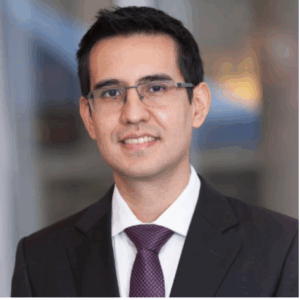
Lattes: http://lattes.cnpq.br/2962772192287372
Dr. Ana Rita Brito Medeiros da Fonseca is the medical coordinator for clinical research in Hematology at the São Paulo – Bela Vista unit.
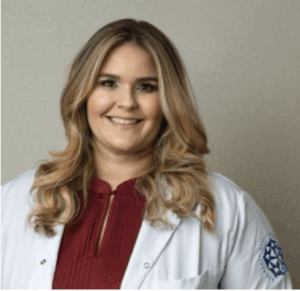
Lattes: http://lattes.cnpq.br/9208985005837277
Dr. Luiza Dib Batista Bugiato Faria is the medical coordinator for clinical research in Brasília.
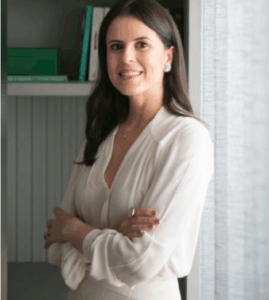
Lattes: http://lattes.cnpq.br/6954318406996419
Contact
Contact us.
Business hours: Mon - Fri, 8 AM to 5 PM.
São Paulo
Phone / WhatsApp: +55 (11) 99412-5414
E-mail: pesquisaclinica@hsl.org.br
Brasília
Phone / WhatsApp: (61) 99943-8748
E-mail: pesquisa.brasilia@hsl.org.br
 English
  Portuguese